Friday, May 3, 2019

Study: Memories of music cannot be lost to Alzheimer's and dementia


The part of your brain responsible for ASMR catalogs music, and appears to be a stronghold against Alzheimer's and dementia.
29 April, 2018
Some music inspires you to move your feet, some inspires you to get out there and change the world. In any case, and to move hurriedly on to the point of this article, it's fair to say that music moves people in special ways. 

If you're especially into a piece of music, your brain does something called Autonomous Sensory Meridian Response (ASMR), which feels to you like a tingling in your brain or scalp. It's nature's own little "buzz", a natural reward, that is described by some as a "head orgasm". Some even think that it explains why people go to church, for example, "feeling the Lord move through you", but that's another article for another time. 

Turns out that ASMR is pretty special. According to a recently published study in The Journal of Prevention of Alzheimer's Disease (catchy name!), the part of your brain responsible for ASMR doesn't get lost to Alzheimer's. Alzheimer's tends to put people into layers of confusion, and the study confirms that music can sometimes actually lift people out of the Alzheimer's haze and bring them back to (at least a semblance of) normality... if only for a short while. ASMR is powerful stuff! 

This phenomenon has been observed several times but rarely studied properly. One of the most famous examples of this is the story of Henry, who comes out of dementia while listening to songs from his youth: 

Jeff Anderson, M.D., Ph.D., associate professor in Radiology at the University of Utah Health and contributing author on the study, says "In our society, the diagnoses of dementia are snowballing and are taxing resources to the max. No one says playing music will be a cure for Alzheimer's disease, but it might make the symptoms more manageable, decrease the cost of care and improve a patient's quality of life."


Sun

Tuesday, April 30, 2019

“From $40 a vial in 2000 to nearly $39,000 today”


(CNN)Two whistleblowers at a pharmaceutical company responsible for one of the largest drug price increases in US history said the company bribed doctors and their staffs to increase sales, according to newly unsealed documents in federal court.
The effort, the whistleblowers said in a lawsuit against the company, was part of an intentional "multi-tiered strategy" by Questcor Pharmaceuticals, now Mallinckrodt, to boost sales of H.P. Acthar Gel, cheating the government out of millions of dollars.

The price of the drug, best known for treating a rare infant seizure disorder, has increased almost 97,000%, from $40 a vial in 2000 to nearly $39,000 today.

The Justice Department has now intervened in the case after conducting its own extensive investigation -- a sign that the government believes the allegations levied by the whistleblowers are credible. In a statement to CNN, Mallinckrodt did not deny the accusations but said the fault lies primarily with Questcor.

The bombshell allegations lay bare what the whistleblowers say was a culture designed to sell the drug at all costs, from lying to the Food and Drug Administration to offering bribes to doctors.

The price increase, combined with an aggressive sales push in rheumatoid arthritis, multiple sclerosis and other areas, has pushed the drug's annual sales over $1 billion.

Many of those sales are driven by Medicare reimbursements. A CNN investigation last year found that Medicare spending on Acthar had risen dramatically -- more than tenfold over six years -- to some $2 billion.

In their lawsuit, the whistleblowers said the drugmaker's conduct "has cheated the federal government out of millions of dollars that should not have been paid, thereby enriching [the company] and subjecting patients to unapproved, unsafe and potentially ineffective uses of H.P. Acthar Gel."

"Questcor has attempted to conceal and cover-up its payment of kickbacks and its illegal promotion of H.P. Acthar Gel by making false statements to the FDA and directing employees to conceal evidence by failing to disclose ... the full nature and extent of its advertising, promotional and marketing materials and plan."

Mallinckrodt purchased Questcor in 2014 as part of a $5.6 billion deal. "The illegal practices that Questcor had been engaging in since 2007," the suit said, "have knowingly been continued since the merger and acquisition of Questcor by Mallinckrodt."

The whistleblowers' allegations were unsealed after the Justice Department filed notice on March 6 to intervene in the lawsuit. The Justice Department has 90 days to file its own complaint, according to the March filing.

If found liable, Mallinckrodt could be required to pay up to three times any amount the government is found to have been defrauded, as well as penalties ranging from $5,500 to $11,000 for each false claim, according to the whistleblower statute.

The Justice Department declined comment for this story…


For the complete story, “Whistleblowers: Company at heart of 97,000% drug price hike bribed doctors to boost sales,” click here.


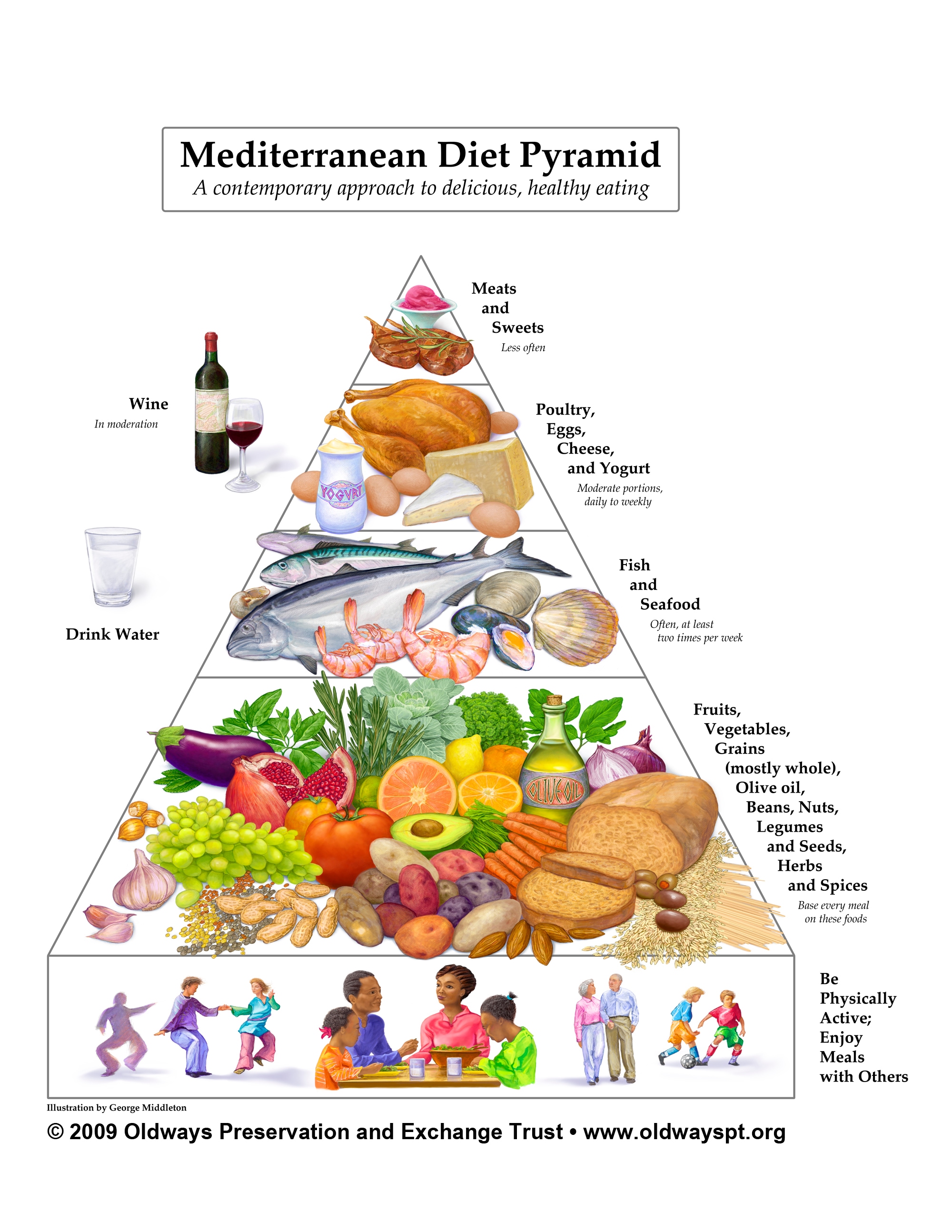
Mediterranean diet: A heart-healthy eating plan that may also benefit your brain


You may know that a Mediterranean diet — rich in fruits, vegetables, olive oil, legumes, whole grains and fish — offers many heart-healthy benefits. But a Mediterranean diet may also benefit your brain.
Studies show people who closely follow a Mediterranean diet are less likely to have Alzheimer's disease than people who don't follow the diet.
Research suggests a Mediterranean diet may:
  • Slow cognitive decline in older adults
  • Reduce the risk of mild cognitive impairment (MCI) — a transitional stage between the cognitive decline of normal aging and the more-serious memory problems caused by dementia or Alzheimer's disease
  • Reduce the risk of MCI progressing into Alzheimer's disease
It's unclear which parts of the Mediterranean diet might protect brain function.
Researchers speculate that making healthy food choices may improve cholesterol and blood sugar levels and overall blood vessel health, which may in turn reduce the risk of MCI or Alzheimer's disease.
Another theory suggests that following a Mediterranean diet may help prevent brain tissue loss associated with Alzheimer's.
But for now it's difficult to say what exactly explains the relationship between following a Mediterranean diet and reducing the risk of Alzheimer's disease. Some research shows that individuals with moderate seafood consumption had fewer Alzheimer's-related changes in their brains among people carrying the apolipoprotein E (APOE e4) gene, which is thought to increase Alzheimer's risk.
But overall, evidence isn't strong enough to show that the Mediterranean diet reduces Alzheimer's disease risk. One issue is that most studies on the effects of diet on dementia are based on dietary questionnaires completed by participants who may have trouble recalling what they ate or have memory problems.
So, one study used a modified food questionnaire developed for use in older adults to address this issue. The study looked at whether following a Mediterranean diet, the Dietary Approaches to Stop Hypertension (DASH) diet designed to treat high blood pressure or a hybrid diet that combined aspects of both diets known as the Mediterranean-DASH Intervention for Neurodegenerative Delay (MIND) diet could reduce the risk of Alzheimer's disease.
The results showed that people who strictly followed any of the three diets had a lower risk of Alzheimer's disease. Moreover, even modest adoption of the MIND diet approach, such as eating two vegetable servings a day, two berry servings a week and one fish meal a week, appeared to lower the risk of Alzheimer's disease.
More research and clinical trials are needed to know to what degree a Mediterranean diet prevents Alzheimer's or slows the progression of cognitive decline. Nonetheless, eating a healthy diet is important to stay physically and mentally fit. (Mayo Clinic, Jonathan Graff-Radford, M.D.) 


The heart-healthy Mediterranean diet is a healthy eating plan based on typical foods and recipes of Mediterranean-style cooking. Here's how to adopt the Mediterranean diet.

If you're looking for a heart-healthy eating plan, the Mediterranean diet might be right for you.
The Mediterranean diet incorporates the basics of healthy eating — plus a splash of flavorful olive oil and perhaps a glass of red wine — among other components characterizing the traditional cooking style of countries bordering the Mediterranean Sea.
Most healthy diets include fruits, vegetables, fish and whole grains, and limit unhealthy fats. While these parts of a healthy diet are tried-and-true, subtle variations or differences in proportions of certain foods may make a difference in your risk of heart disease.
Benefits of the Mediterranean diet
Research has shown that the traditional Mediterranean diet reduces the risk of heart disease. The diet has been associated with a lower level of oxidized low-density lipoprotein (LDL) cholesterol — the "bad" cholesterol that's more likely to build up deposits in your arteries.
In fact, a meta-analysis of more than 1.5 million healthy adults demonstrated that following a Mediterranean diet was associated with a reduced risk of cardiovascular mortality as well as overall mortality.
The Mediterranean diet is also associated with a reduced incidence of cancer, and Parkinson's and Alzheimer's diseases. Women who eat a Mediterranean diet supplemented with extra-virgin olive oil and mixed nuts may have a reduced risk of breast cancer.
For these reasons, most if not all major scientific organizations encourage healthy adults to adapt a style of eating like that of the Mediterranean diet for prevention of major chronic diseases.
Key components of the Mediterranean diet
The Mediterranean diet emphasizes:
·       Eating primarily plant-based foods, such as fruits and vegetables, whole grains, legumes and nuts
·       Replacing butter with healthy fats such as olive oil and canola oil
·       Using herbs and spices instead of salt to flavor foods
·       Limiting red meat to no more than a few times a month
·       Eating fish and poultry at least twice a week
·       Enjoying meals with family and friends
·       Drinking red wine in moderation (optional)
·       Getting plenty of exercise

Fruits, vegetables, nuts and grains
The Mediterranean diet traditionally includes fruits, vegetables, pasta and rice. For example, residents of Greece eat very little red meat and average nine servings a day of antioxidant-rich fruits and vegetables.
Grains in the Mediterranean region are typically whole grain and usually contain very few unhealthy trans fats, and bread is an important part of the diet there. However, throughout the Mediterranean region, bread is eaten plain or dipped in olive oil — not eaten with butter or margarine, which contain saturated or trans fats.
Nuts are another part of a healthy Mediterranean diet. Nuts are high in fat (approximately 80 percent of their calories come from fat), but most of the fat is not saturated. Because nuts are high in calories, they should not be eaten in large amounts — generally no more than a handful a day. Avoid candied or honey-roasted and heavily salted nuts.
Healthy fats
The focus of the Mediterranean diet isn't on limiting total fat consumption, but rather to make wise choices about the types of fat you eat. The Mediterranean diet discourages saturated fats and hydrogenated oils (trans fats), both of which contribute to heart disease.
The Mediterranean diet features olive oil as the primary source of fat. Olive oil provides monounsaturated fat — a type of fat that can help reduce LDL cholesterol levels when used in place of saturated or trans fats.
"Extra-virgin" and "virgin" olive oils — the least processed forms — also contain the highest levels of the protective plant compounds that provide antioxidant effects.
Monounsaturated fats and polyunsaturated fats, such as canola oil and some nuts, contain the beneficial linolenic acid (a type of omega-3 fatty acid). Omega-3 fatty acids lower triglycerides, decrease blood clotting, are associated with decreased sudden heart attack, improve the health of your blood vessels, and help moderate blood pressure.
Fatty fish — such as mackerel, lake trout, herring, sardines, albacore tuna and salmon — are rich sources of omega-3 fatty acids. Fish is eaten on a regular basis in the Mediterranean diet.
Wine
The health effects of alcohol have been debated for many years, and some doctors are reluctant to encourage alcohol consumption because of the health consequences of excessive drinking.
However, alcohol — in moderation — has been associated with a reduced risk of heart disease in some research studies.
The Mediterranean diet typically includes a moderate amount of wine. This means no more than 5 ounces (148 milliliters) of wine daily for women (or men over age 65), and no more than 10 ounces (296 milliliters) of wine daily for men under age 65.
If you're unable to limit your alcohol intake to the amounts defined above, if you have a personal or family history of alcohol abuse, or if you have heart or liver disease, refrain from drinking wine or any other alcohol.
Putting it all together
The Mediterranean diet is a delicious and healthy way to eat. Many people who switch to this style of eating say they'll never eat any other way. Here are some specific steps to get you started:
·       Eat your veggies and fruits — and switch to whole grains.An abundance and variety of plant foods should make up the majority of your meals. Strive for seven to 10 servings a day of veggies and fruits. Switch to whole-grain bread and cereal, and begin to eat more whole-grain rice and pasta products.
·       Go nuts. Keep almonds, cashews, pistachios and walnuts on hand for a quick snack. Choose natural peanut butter, rather than the kind with hydrogenated fat added. Try tahini (blended sesame seeds) as a dip or spread for bread.
·       Pass on the butter. Try olive or canola oil as a healthy replacement for butter or margarine. Use it in cooking. Dip bread in flavored olive oil or lightly spread it on whole-grain bread for a tasty alternative to butter. Or try tahini as a dip or spread.
·       Spice it up. Herbs and spices make food tasty and are also rich in health-promoting substances. Season your meals with herbs and spices rather than salt.
·       Go fish. Eat fish once or twice a week. Fresh or water-packed tuna, salmon, trout, mackerel and herring are healthy choices. Grilled fish tastes good and requires little cleanup. Avoid fried fish, unless it's sauteed in a small amount of canola oil.
·       Rein in the red meat. Substitute fish and poultry for red meat. When eaten, make sure it's lean and keep portions small (about the size of a deck of cards). Also avoid sausage, bacon and other high-fat meats.
·       Choose low-fat dairy. Limit higher fat dairy products such as whole or 2 percent milk, cheese and ice cream. Switch to skim milk, fat-free yogurt and low-fat cheese.
·       Raise a glass to healthy eating. If it's OK with your doctor, have a glass of wine at dinner. If you don't drink alcohol, you don't need to start. Drinking purple grape juice may be an alternative to wine.


Monday, April 29, 2019

Know the Early Signs of Alzheimer’s Disease


“If you or a loved one experiences these subtle but possibly serious symptoms of memory loss, confusion, sleeplessness, and trouble focusing, talk to a doctor.

“With grim prognoses and very limited treatments for Alzheimer’s disease, early detection hasn’t been particularly advantageous. But that may be changing—fast. One of the hottest areas of Alzheimer’s research involves treating people with early signs of Alzheimer’s with drugs that decrease the production of amyloid beta (proteins that bunch together to form damaging plaques in the brain). Experts believe that people begin to develop amyloid plaques in their brains at least 10 years before they develop any obvious Alzheimer’s symptoms.

“Reisa Sperling, MD, director of the Center for Alzheimer Research and Treatment at Brigham and Women’s Hospital in Boston is leading a new clinical trial, called the A4 study, which will evaluate patients with evidence of Alzheimer’s damage in the brain but who still have normal thinking and memory function. The trial will randomly assign groups to receive medication, and researchers will determine over three years whether the drugs affected the patients’ memory or levels of amyloid. ‘When a person already has a lot of memory trouble, they already have significant neuron loss,’ says Dr. Sperling. ‘We need to find and treat people much earlier.’ Watch out for these early signs of Alzheimer’s disease.

Worrying about your memory:

“Memory issues are one of the more well-known Alzheimer’s symptoms. And a number of studies presented at an Alzheimer’s Association conference last year found that people who were concerned about their own memory and thinking were in fact more likely to have signs of Alzheimer’s plaques in their brain, and develop dementia symptoms later. ‘People should trust what they observe about themselves,’ Rebecca Amariglio, PhD, a Harvard neuropsychologist, told USA Today. It’s common with a number of health conditions—including arthritis and Parkinson’s disease—for people to feel something isn’t right before others observe it, Frank Jessen, a researcher at the German Center for Neurodegenerative Diseases, told the New York Times. Here are 6 signs your family member’s forgetfulness is actually Alzheimer’s.

Spotty recollection of recent important events:

“Forgetting a key conversation with a family member or a big news story from earlier in the week (like a natural disaster such as a hurricane) is concerning—especially if people can’t remember they forgot it. ‘If you remember that you forgot something, like your keys, that means your brain is still trying to access that information,’ says Dr. Sperling. Not being able to remember the name of an actor in a movie—but recalling it later that night or the next day—is probably not a sign of Alzheimer’s disease.

Trouble managing finances:

“Not being able to keep track of paying bills, having difficulty transferring money among accounts, or having problems maintaining an adequate balance to cover payments can all be early red flags or Alzheimer’s symptoms, several studies show. ‘When I talk to patients in my office, I always ask who pays the bills,’ Dr. Sperling says. ‘If I hear that there’s been a change—say the wife did all the bill paying, but her husband has recently taken over, that’s a concerning find.’ If a loved one or family member who lives alone suddenly begins having trouble paying the bills, you may need to step in. Accounting troubles can set a person up for fraud.

Getting lost while driving:

“This is especially relevant if the person gets confused or disoriented in a place where they’ve driven many times—for example, if they had to take a slightly different route home from a local store and had trouble getting back to a familiar destination…

Skipping social events:

“‘We’ve seen that difficulty following conversations, particularly in a group, can be an early sign of Alzheimer’s,’ says Dr. Sperling. She’ll hear patients with early signs of Alzheimer’s report that they don’t like to go out to lunch as much with their friends as they used to because they feel they’re not picking up on the jokes or following the conversation.

Losing interest in favorite hobbies:

“Another potential early signal of Alzheimer’s is when people start to lose interest in their favorite pastimes—a golfer or a bridge player who foregoes his weekly game, for example. ‘Alzheimer’s-related brain changes can cause apathy, which makes people lose motivation,’ says Dr. Sperling. These Alzheimer’s symptoms may mimic depression. ‘If a patient has never had depression before or has no obvious reason for being depressed, such as grief over the loss of a loved one, that’s concerning,’ she adds. 

An inability to plan:

“People in early stages of Alzheimer’s disease have changes in their ability to plan or multitask—a brain skill known as executive function. For example, when someone who is usually the person who plans all the holiday parties or family vacations together begins to have trouble organizing, or even has trouble with day to day schedules, that’s cause for concern.

Trouble sleeping:

“Nighttime tossing and turning that leaves you exhausted the next morning could be a sign of more than stress. A study in the journal Neurology asked adults who were considered at risk for Alzheimer’s—but who didn’t yet have symptoms—about their sleep habits. Those who reported worse sleep problems, trouble falling asleep, and more daytime tiredness had more markers for Alzheimer’s disease in their spinal fluid than those who said they slept fine. The scientists aren’t sure if poor sleep raises risk for Alzheimer’s or if sleep problems are a symptom brought on by the condition, but check with your doctor if your sleepless nights are paired with lapses in memory. Here are 15 myths about Alzheimer’s disease you should stop believing.

Anxiety:

“Studies have indicated that depression could be one of the early signs of Alzheimer’s, but researchers weren’t sure whether depression was a risk factor or a result of the condition. One five-year study in the American Journal of Psychiatry could shed some light, though. The researchers found more amyloid beta—the protein that builds the plaques found in brains of people with Alzheimer’s—in cognitively healthy adults who had increasing anxiety. In fact, anxiety was an even stronger predictor of plaques than other depression symptoms such as apathy or a decrease in life satisfaction. The researchers conclude that heightened anxiety could be one of the earliest signs of Alzheimer’s because it shows up even before memory loss.

Trouble with speaking and writing words:

“People with early signs of Alzheimer’s disease struggle with finding the right words in conversation and on paper. According to the Alzheimer’s Association, these people may stop mid-conversation to find the right words. They could also struggle with vocabulary or repeat themselves. Make sure you know these 16 everyday habits that can increase your dementia risk.


What to do if this sounds like you:

“‘If someone is experiencing some of these signs, but is still living their daily life reasonably well, they would be a perfect candidate to come in and get screened for participation in the study,’ says Dr. Sperling. Her team is seeking to screen as many as 10,000 people in order to find 1,000 participants to be part of the trial. (Some of those screened won’t have Alzheimer’s plaques in the brain; some might have memory problems that are already too advanced.) ‘Remember, the reason to participate in this study is not because we think you have advanced Alzheimer’s disease, it’s to prevent all memory loss due to Alzheimer’s disease by stopping the disease in its earliest stage,’ she continues. Visit A4study.org to learn more and find a testing center near you. Next, check out these 50 habits that can reduce your risk of Alzheimer’s.”


Sunday, April 28, 2019

The Difference Between Dementia and Alzheimer’s Disease


“There are 47 million people living with dementia worldwide, according to the World Health Organization. While dementia and Alzheimer’s may be used interchangeably, there are important differences between them. Here’s what you need to know.

“First thing to know: How to tell the difference between dementia vs. Alzheimer’s disease. Dementia is an umbrella term for symptoms like impaired memory and thinking that interferes with daily living; Alzheimer’s disease is a specific type of dementia. Other types of dementia include vascular dementia, dementia with Lewy bodies, frontotemporal dementia, Parkinson’s disease, and Huntington’s disease.

“‘Alzheimer’s is the most common form of dementia—about 60 to 70 percent of the time a patient with dementia has Alzheimer’s,’ says Richard Isaacson, MD, Director of the Alzheimer’s Prevention Clinic at New York-Presbyterian/Weill Cornell Medical Center. The reason you hear about Alzheimer’s most often is not only because it is the most common type of dementia, but also because ‘the science behind Alzheimer’s is the most advanced across all dementias,’ Dr. Isaacson says…

“A medical illness, metabolic issue (like a nutritional or thyroid problem), vascular disease (like a stroke), or, rarely, infectious diseases can affect brain cells, causing dementia. Even Mad Cow Disease, which is very rare, can contribute to dementia, explains Dr. Isaacson. A condition called depressive ‘pseudo’ dementia is another possible source. As he explains, when levels of the neurotransmitter serotonin run low, you may have trouble paying attention. And when you’re distracted, you have trouble remembering things, which can manifest as dementia.

“On the other hand, Alzheimer’s has its own origins. It’s a brain disease marked by deposits of beta-amyloid plaques and proteins called tau that damage cells in brain regions that control functions like thinking, memory, and reasoning…

“There’s also what’s called mixed dementia, meaning there are multiple conditions that are coming together to cause dementia. ‘Thirty percent of the time, patients who have Alzheimer’s also have a vascular disease that makes cognitive symptoms worse,’ says Dr. Isaacson. Alzheimer’s and dementia with Lewy bodies (in this disease, clumps of alpha-synuclein proteins develop in the brain) has also been found to occur together.

“Losing your keys—again—and forgetting where you parked are basic memory problems, so how do you know when it crosses the line to dementia or Alzheimer’s? According to the Alzheimer’s Association, in order for a person to be diagnosed with dementia, two of the following must be ‘significantly impaired’: memory, communication and language, ability to focus and pay attention, reasoning, and judgment, and visual perception.

“When it comes to Alzheimer’s, the association notes that you may forget new information or find you have to ask family members to remember important facts you should be able to keep track of yourself. (It’s not those little brain blips where you can’t remember the name of your second cousin and then it comes to you later—that’s normal). Research also indicates that difficulty using a map may be one of the earliest warning signs of Alzheimer’s…

“[I]n a study in 2014 published in The Lancet Neurology, reducing certain risk factors can decrease risk of Alzheimer’s by 33 percent. The most important ways to prevent Alzheimer’s: control diabetes and high blood pressure, reduce weight if obese, stay active, treat depression, don’t smoke, and stay in school. A 2017 study adds that staying social (spend time with friends and family members) and managing hearing loss to the list of controllable factors in the prevention of dementia…

“There are virtually no FDA-approved therapies for dementia (only one approved drug for Parkinson’s dementia), but there are four medications that target Alzheimer’s, according to Dr. Isaacson. And while these drugs don’t stall disease progression (or cure the disease), they can help control symptoms in patients. Patients of Dr. Isaacson’s say these drugs may help for six to nine months, but many stay on them for the long haul because they help with behavioral symptoms such as agitation and aggression. ‘When you stop the medications, the psychological symptoms get worse,’ he says.

“As for other types of dementia, lifestyle changes may be the best option. Treatment for vascular dementia relies on doing things that are healthy for your arteries and heart: reducing blood pressure and cholesterol, and controlling diabetes. ‘Managing other chronic conditions is important. Those are a great way to press the fast-forward button on dementia,’ says Dr. Isaacson.

“If you get evaluated for Alzheimer’s, your doctor can make a diagnosis based on symptoms, a clinical history, and medical tests (to rule out causes like thyroid issues or nutritional deficiencies). Brain imaging tests like a cat scan or MRI can look for beta amylase plaques gunking up brain regions…

“Forgetting how to work the thermostat in your home, being afraid to leave your neighborhood out of fear you might not get home, or misplacing your belongings so often that it hurts your ability to get out the door can all be particularly worrisome—especially if a loved one expresses their concern. If you’re concerned, see your doctor, says Dr. Issacson. ‘Get educated, get informed, get evaluated,’ he says, adding ‘the earlier the diagnosis, the earlier you can be treated. And the earlier you’re treated, the better you’ll do.’…”